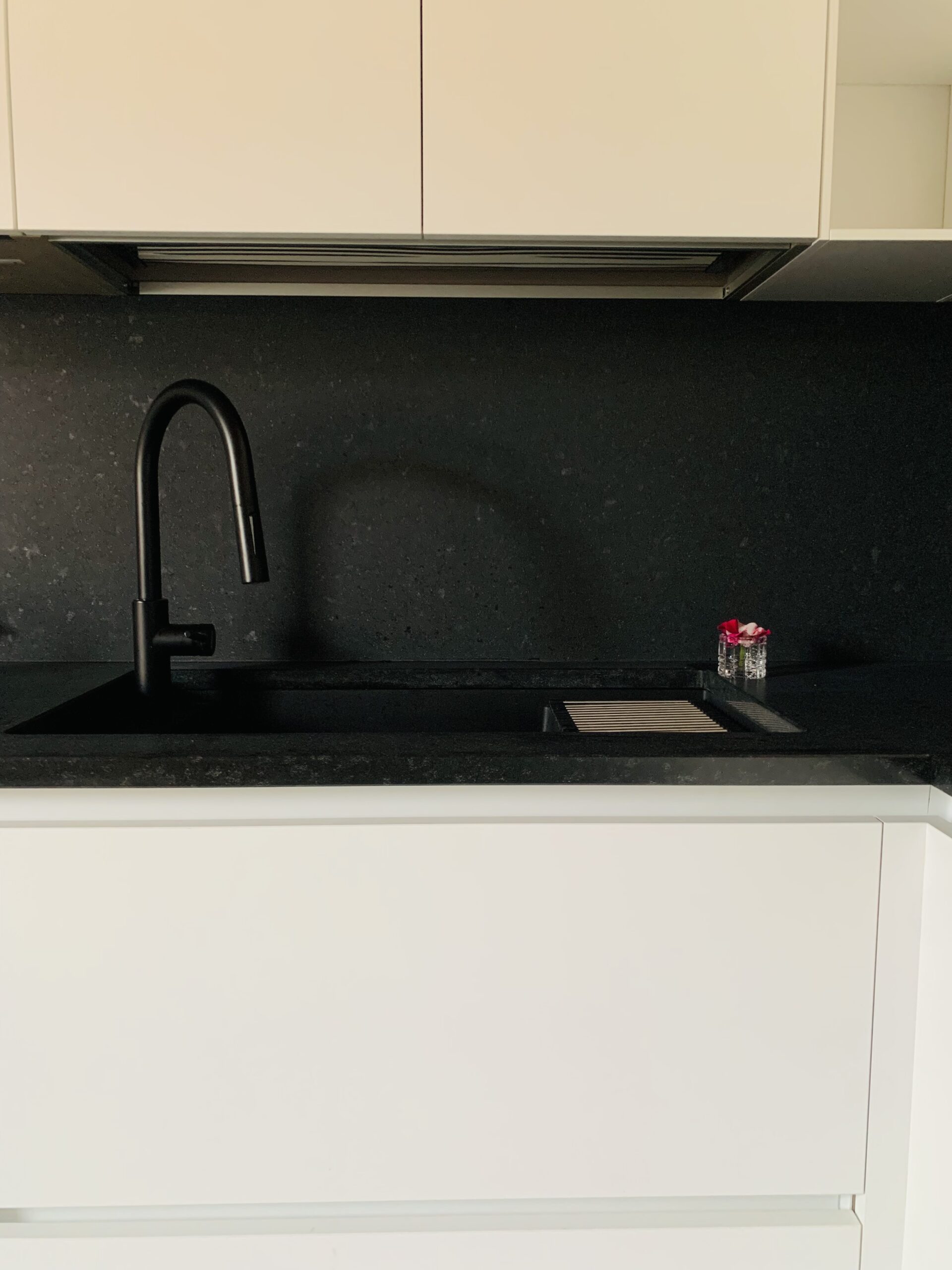
Interior design and Feng Shui share a common objective: to create balanced spaces that support harmony, wellbeing, and clarity. While interior design defines the aesthetic and functional identity of an environment, Feng Shui introduces an additional layer — the energetic dimension of space.
When thoughtfully integrated, these two disciplines do not conflict. Instead, they complement one another, transforming interiors into harmonious interiors that feel not only beautiful, but aligned.
Understanding Feng Shui in Contemporary Design
Feng Shui, rooted in traditional Chinese philosophy, is based on the flow of energy — or Chi — within a space. Its principles aim to foster harmony between individuals and their surroundings through orientation, proportion, materiality, and spatial organization.
Within contemporary luxury interior architecture, Feng Shui should not be reduced to symbolism or decorative imitation. Rather, it becomes a framework for spatial awareness — a way of designing with intention and sensitivity to how environments influence emotion and perception.
Balance Through Spatial Planning
One of the core principles of Feng Shui is balance. This equilibrium is expressed through precise spatial planning, thoughtful circulation, and carefully positioned focal points.
In refined interiors, spatial organization prioritizes clarity. Entrances remain open and welcoming. Movement flows naturally. Furniture placement encourages ease rather than tension.
The result is not simply visual order, but experiential coherence.
The Role of the Five Elements
Feng Shui is structured around five elements: wood, fire, earth, metal, and water. Each element carries distinct energetic qualities.
In contemporary interior design, these elements translate through refined materials and finishes:
-
Wood through natural textures and organic forms
-
Fire through warmth and architectural lighting
-
Earth through stone, ceramics, and grounding tones
-
Metal through structure and precision finishes
-
Water through reflective surfaces and fluid lines
The objective is subtle balance, not literal representation. Carefully curated materiality allows these elements to coexist without visual excess.
Light, Color, and Material Expression
Light plays a defining role in both Feng Shui and luxury interior architecture. Natural illumination enhances vitality and openness, while layered lighting strategies shape mood and spatial hierarchy.
Color selection reinforces emotional equilibrium. Neutral palettes establish calm foundations, while deeper tones introduce focus and depth.
Material choices — from bespoke finishes to tactile surfaces — further elevate sensory experience, reinforcing the dialogue between architecture and wellbeing.
Designing with Intention
Ultimately, integrating Feng Shui within high-end residential and hospitality environments is about intentional design. It invites architects and designers to consider how space influences daily rhythms, mental clarity, and emotional stability.
True luxury is not defined solely by appearance. It emerges from balance, flow, and thoughtful execution.
When interior design and Feng Shui converge, the outcome is more than aesthetic harmony. It is architecture shaped around conscious living and spatial intelligence.
If you are seeking to create a space defined by balance, intention, and architectural refinement, Tara Passini Studio offers a bespoke approach to luxury interior architecture.
Let’s discuss your project.